
The Roadblocks to Britain's Clean Energy Future: The Real Truth
Article 2: 'The Great Betrayal'
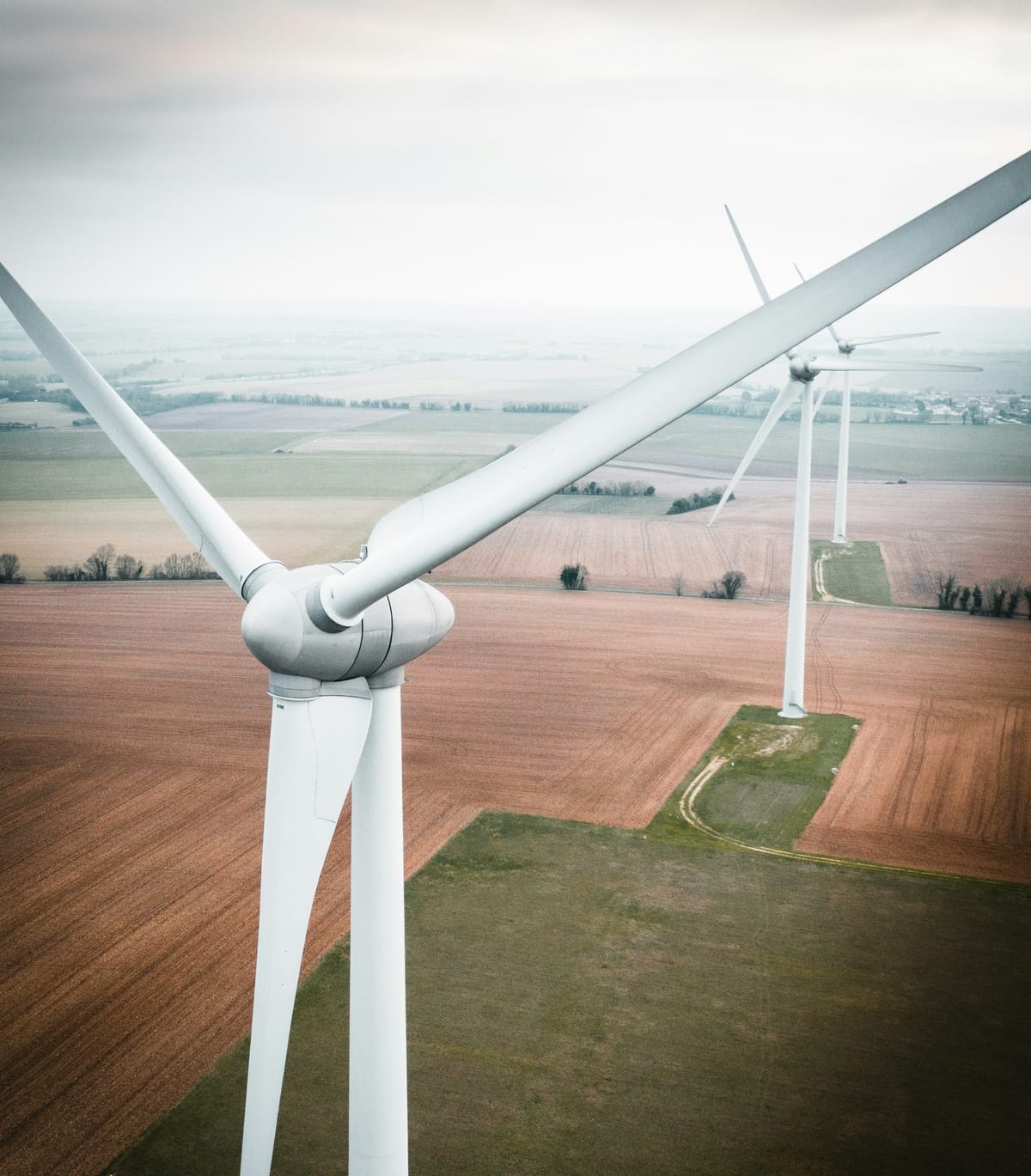
The wind howls across the rugged hills of Northumberland, a constant reminder of the untapped potential of renewable energy. But in the nearby village of Rothbury, a proposed wind farm has become a source of bitter division. Emily, a young mother whose son suffers from asthma, worries that the turbines will worsen his condition and disrupt the peaceful countryside she calls home. Meanwhile, James, a retired engineer who remembers the smog-filled skies of his youth, sees the wind farm as a chance to secure a healthier future for his grandchildren and a vital step towards a cleaner, more sustainable future. "We can't keep relying on fossil fuels," he argues, "not with the climate crisis looming." But the project is stalled, caught in a web of planning regulations, political maneuvering, and vested interests that are blocking Britain's clean energy future.
This is not an isolated case. Across the UK, renewable energy projects face a gauntlet of obstacles, from complex planning processes to opposition from powerful lobbies. While the government pays lip service to the need for clean energy, the reality is that the UK's transition to a sustainable energy system is being deliberately stalled.
The Fossil Fuel Grip
One of the biggest obstacles to renewable energy is the powerful influence of the fossil fuel industry. Despite the urgent need to decarbonise our economy, fossil fuel companies continue to wield enormous political and economic power, using their influence to protect their profits and delay the transition to a cleaner future.
This influence manifests in various ways:
- Lobbying and Campaign Donations: Fossil fuel companies spend millions each year lobbying politicians and donating to political parties, ensuring their interests are protected. A recent report by DeSmog revealed that The Conservative Party had received £8.4 million since December 2019 from oil and gas interests, highly polluting industries, and individuals who have expressed or supported climate science denial. These donations buy access and influence, shaping policy decisions in favor of the fossil fuel industry. According to OpenDemocracy, Jacob Rees-Mogg, a prominent Conservative MP and former Business Secretary, has received over £400,000 in donations from companies linked to the fossil fuel industry.
- Revolving Door: There's a revolving door between the fossil fuel industry and government, with former industry executives often taking up positions in regulatory bodies or government departments, further blurring the lines between public service and private interests. For example, Lord Browne, the former CEO of BP, served as the government's lead non-executive director from 2010 to 2015. While Andrea Leadsom, another Conservative MP and former Energy Minister, previously worked as a financial analyst for Shell. This revolving door allows the fossil fuel industry to exert undue influence on policymaking and weaken regulations that might impact their profits.
- Misinformation Campaigns: Fossil fuel companies have been accused of funding misinformation campaigns to sow doubt about the viability of renewable energy and undermine public support for clean energy policies. These campaigns often use misleading statistics, cherry-picked data, and emotional appeals to create fear and uncertainty about the impacts of renewable energy. This deliberate spread of misinformation creates confusion and hinders public understanding of the benefits of clean energy.
Regulatory Roadblocks
The UK's planning system is notoriously complex and often favors established industries over new developments, including renewable energy projects. Planning applications for wind farms and solar parks can face years of delays and legal challenges, often fueled by opposition from local residents or well-funded NIMBY (Not In My Backyard) groups. These groups often cite concerns about visual impact, noise pollution, and property values, but their arguments are often amplified and supported by the fossil fuel industry, which has a vested interest in maintaining the status quo.
Furthermore, the UK's electricity grid is outdated and ill-equipped to handle the intermittent nature of renewable energy sources. This requires significant investment in grid modernisation to ensure that renewable energy can be efficiently integrated into the system. However, this investment has been slow to materialise, with the National Grid prioritising upgrades that benefit traditional energy sources over those that would facilitate the growth of renewables. This bias towards the existing fossil fuel-based system further hinders the expansion of clean energy.
Government Inaction
While the UK government has set ambitious targets for renewable energy, its actions often fall short of its rhetoric. Recent cuts to subsidies for onshore wind, for example, have sent a chilling message to investors and stalled the growth of one of the UK's cheapest and most reliable sources of clean energy. This decision was widely seen as a concession to the fossil fuel lobby and a betrayal of the government's commitment to tackling climate change. It also demonstrates a lack of political will to prioritise clean energy over the interests of powerful fossil fuel companies.
The government's continued support for fossil fuel extraction, including fracking and new oil and gas exploration in the North Sea, further undermines its commitment to a clean energy transition. This contradictory approach creates uncertainty and discourages investment in renewable energy. It also sends a message that the UK is not serious about meeting its climate change obligations and risks locking the country into a fossil fuel-dependent future.
Greenwashing
Many energy companies are engaging in greenwashing, portraying themselves as champions of renewable energy while continuing to invest heavily in fossil fuels. This deceptive marketing tactic misleads consumers and undermines genuine efforts to transition to a cleaner energy system.
For example, a recent analysis by InfluenceMap revealed that BP, despite its public pronouncements on climate action, spends 25 times more on promoting its fossil fuel business than on its renewable energy investments. Similarly, Shell has been criticised for its "carbon capture" initiatives, which are seen by many as a way to justify continued fossil fuel extraction rather than a genuine commitment to decarbonisation. These greenwashing tactics allow companies to maintain a positive public image while continuing to prioritise profits over the planet.
Breaking the Barriers
The UK has the potential to become a world leader in renewable energy, but it needs to overcome the barriers that are stalling progress. This requires a multi-pronged approach that addresses the political, regulatory, and economic challenges hindering the growth of clean energy:
- Reforming the planning system: Streamlining the approval process for renewable energy projects and ensuring that local communities have a meaningful voice in decision-making, while preventing vested interests from derailing projects that benefit the wider public. This could involve simplifying planning regulations, creating dedicated renewable energy zones, and providing greater support for community-led renewable energy projects.
- Investing in grid modernisation: Upgrading the electricity grid to accommodate the increasing share of renewable energy and ensure a reliable and flexible energy supply, prioritising investments that support the integration of renewables. This includes investing in smart grids, energy storage technologies, and upgrading transmission infrastructure to accommodate the variable nature of renewable energy sources.
- Ending fossil fuel subsidies: Phasing out subsidies for fossil fuels and redirecting those funds towards supporting renewable energy and energy efficiency, creating a level playing field for clean energy technologies. This would remove the unfair advantage enjoyed by the fossil fuel industry and accelerate the transition to a cleaner energy system.
- Holding companies accountable: Exposing and challenging greenwashing tactics and demanding that energy companies genuinely invest in a clean energy future, rather than using PR and marketing to mislead the public. This requires greater transparency and accountability from energy companies, as well as stronger regulations to prevent misleading claims and ensure that companies are held responsible for their environmental impact.
- Embracing New Nuclear: While acknowledging the limitations of existing nuclear power stations, we must also embrace the potential of new nuclear technologies, particularly Small Modular Reactors (SMRs). These advanced reactors offer enhanced safety features, reduced waste, and the potential for more cost-effective and flexible deployment. SMRs, alongside other promising technologies like molten salt reactors, can play a crucial role in providing reliable baseload power and complementing renewable energy sources in a balanced energy mix.
A Call to Action
The UK's transition to a clean energy future is not just an environmental imperative; it's an economic and social necessity. It's time to break the grip of the fossil fuel industry and unleash the potential of renewable energy and new nuclear technologies.
- Contact your MP and demand they support policies that prioritise clean energy.
- Join campaign groups fighting for a just and sustainable energy system. Invest in renewable energy for your home or business.
Together, we can overcome the roadblocks and build a brighter future powered by clean energy.


