The Middle East
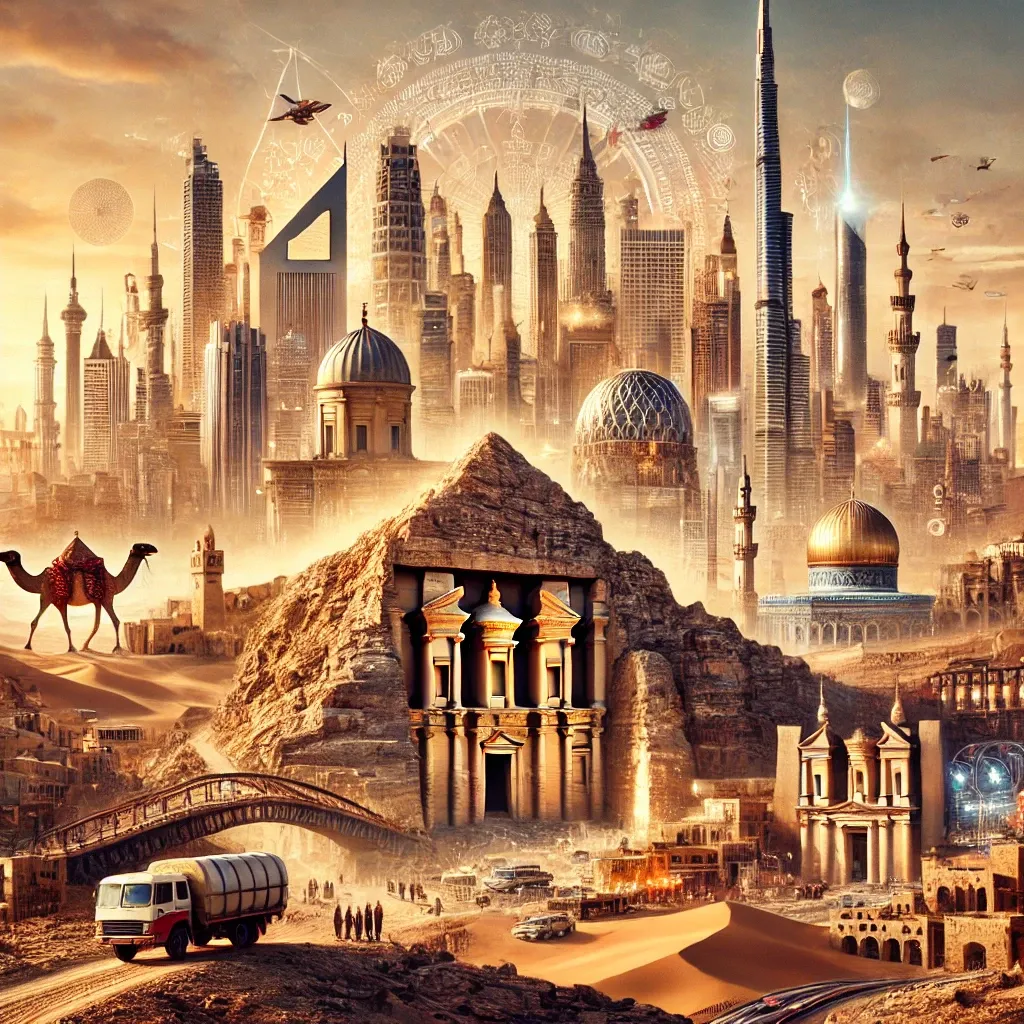
History, Power & Geopolitical Realities
The Middle East is one of the world’s most strategically significant, politically complex, and economically influential regions. It is a land of ancient civilisations and modern conflicts, immense wealth and economic disparity, religious heritage and geopolitical struggle. From energy dominance and shifting alliances to regional conflicts and economic transformations, the Middle East remains at the centre of global security, trade, and diplomacy.
As a region that has shaped history, religion, commerce, and international politics, the Middle East’s energy policies, diplomatic relationships, and internal developments have far-reaching consequences on global markets, international stability, and security frameworks.
At Ennui Nation, we provide fact-driven, evidence-based analysis on the complex forces shaping the Middle East today. Using historical context, expert insights, economic data, geopolitical assessments, and regional perspectives, we cut through speculation and political narratives to deliver an accurate, clear, and comprehensive picture of the region.
This is the Middle East beyond media spin—a realistic, balanced, and in-depth examination of one of the most consequential regions in global affairs.
Themes We Explore
🔹 The Middle East as an Energy Powerhouse – As the world’s largest oil-producing region, the Middle East’s OPEC policies, energy production, and investment in renewables have a direct impact on inflation, global trade, and economic stability.
🔹 Geopolitical Power Struggles & Shifting Alliances – The balance of power between Iran, Saudi Arabia, Israel, Türkiye, and the Gulf states is in constant flux, affecting diplomatic relations, military strategy, and regional security.
🔹 Political Movements & Governance Challenges – From leadership transitions and reform efforts to authoritarian rule and democratic struggles, governance across the Middle East shapes economic policies, civil rights, and international relations.
🔹 Conflicts & Regional Security Risks – Ongoing wars, militant insurgencies, border disputes, and proxy conflicts in Syria, Yemen, Israel-Palestine, Iraq, and Lebanon have both local and global ramifications.
🔹 Economic Diversification & Future Growth – Gulf nations are transitioning from oil-based economies to tech, tourism, and infrastructure investments, shaping new industries and global trade dynamics.
🔹 Water Scarcity & Climate Challenges – The region faces severe droughts, rising temperatures, and water resource conflicts, putting pressure on agricultural sustainability and regional stability.
🔹 The Future of Religion & Society – The region is undergoing social transformations, as youth movements, legal reforms, and cultural debates challenge traditional power structures.
🔹 Global Influence & Foreign Interventions – The role of the United States, Russia, China, and Europe in military operations, arms trade, diplomatic relations, and economic partnerships continues to shape the Middle East’s geopolitical future.
Articles:
 Ali
Ali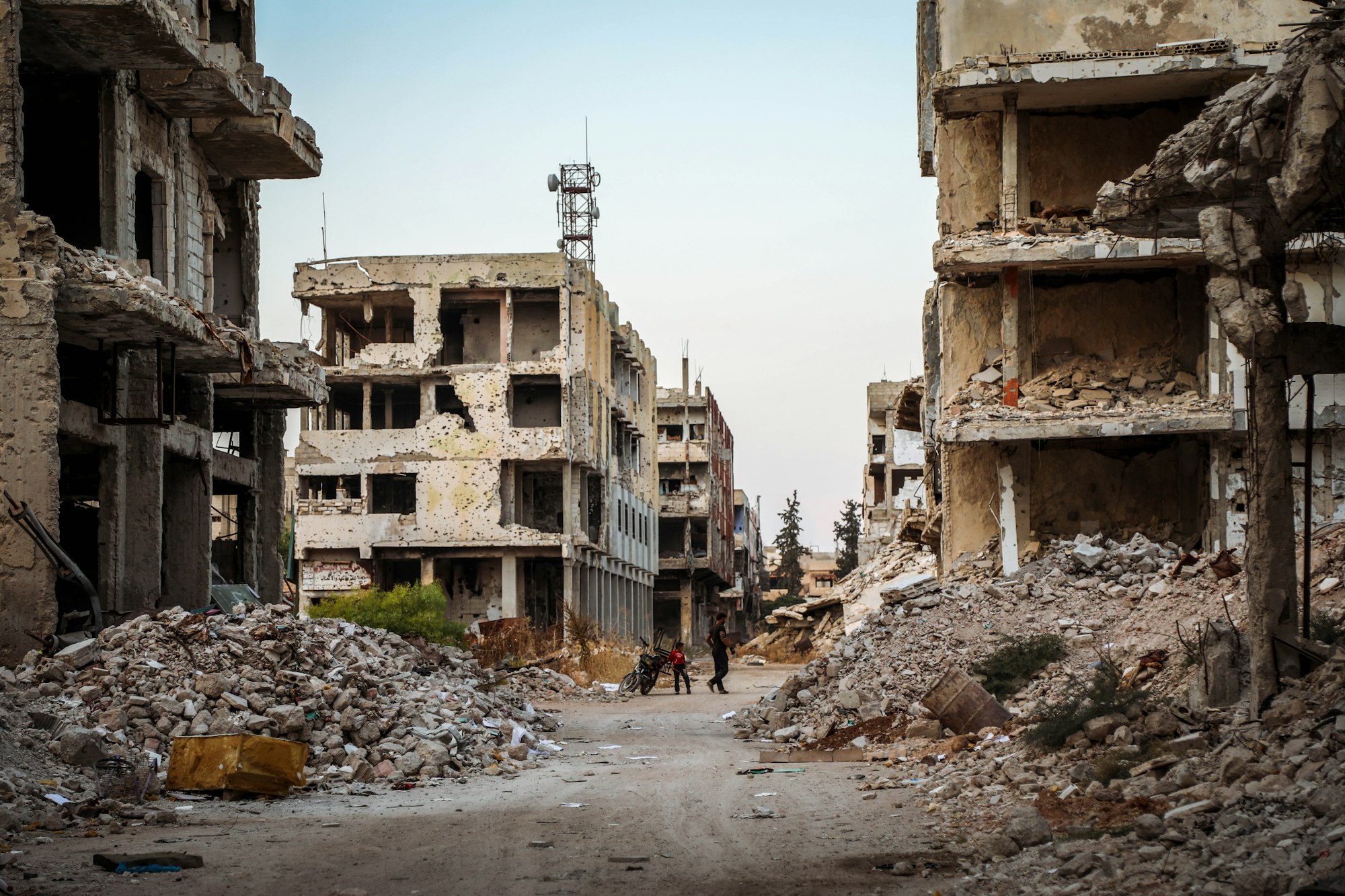
 Ali
Ali
 Ali
Ali