
ICC's Bold Stand: Arrest Warrants for Israeli Leaders and Militants Spark Global Controversy
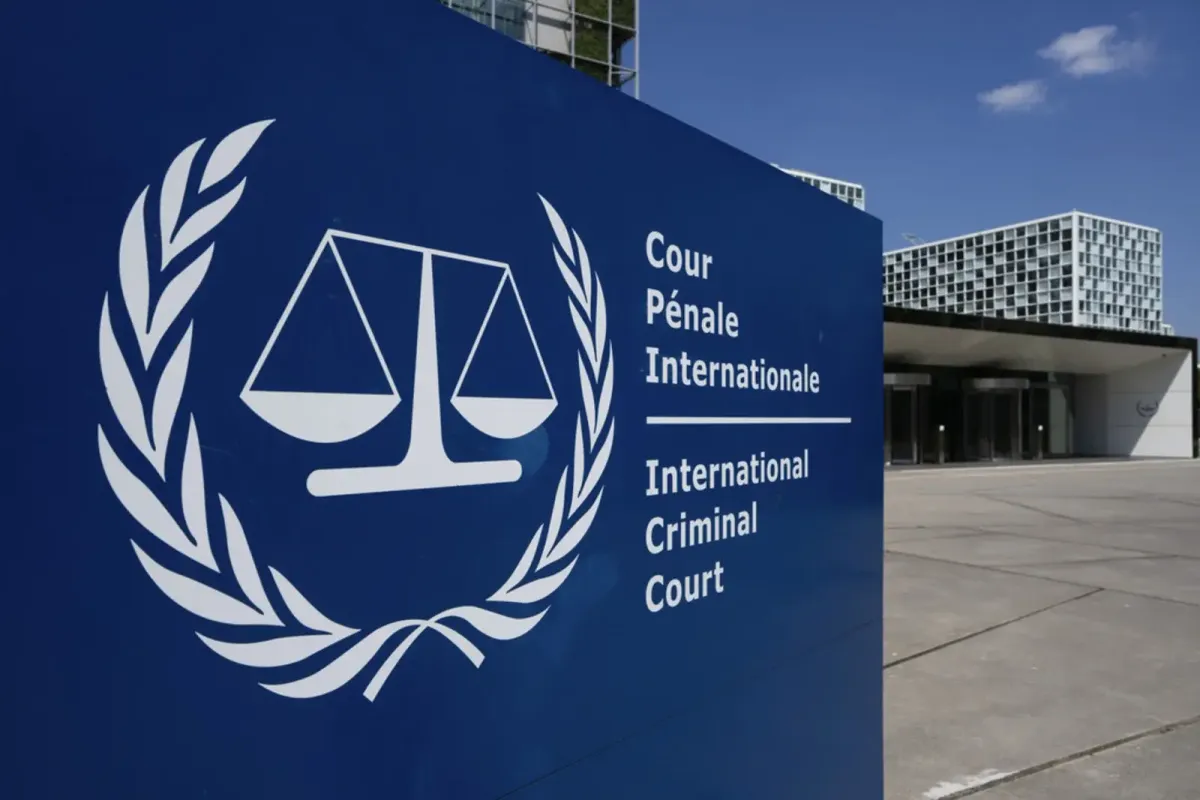
On the 21st November 2024, in a move likely to redefine international diplomatic relations, the International Criminal Court (ICC) has issued arrest warrants for Israeli Prime Minister Benjamin Netanyahu, former Defence Minister Yoav Gallant, and Mohammed Deif, leader of Hamas's military branch. This decision, linked to alleged war crimes during the recent Gaza conflict, has stirred significant global debate, challenging the boundaries of international law and accountability.
Understanding the Context
Deep Historical Roots
The Israeli-Palestinian conflict has its origins in the late 19th century, as Jewish immigration to Palestine increased amid rising Zionist aspirations and European anti-Semitism. The Balfour Declaration of 1917, wherein Britain expressed support for a "national home for the Jewish people" in Palestine, laid early international groundwork that led to tensions with the Arab population.
Post-World War II, the United Nations proposed a partition plan, leading to the establishment of Israel in 1948 and subsequent wars, notably in 1967 and 1973, which reshaped the region. The Gaza Strip, a narrow coastal territory, has been central to these tensions, especially after falling under Hamas control in 2007. The area remains a flashpoint for Israeli-Palestinian hostilities, reflecting longstanding grievances and continuous acts of violence.
The region has endured multiple military operations, most notably ‘Operation Protective Edge’ in 2014 and more recent escalations in 2021 and 2024. These confrontations have further highlighted these historical tensions and have led to significant civilian casualties and widespread destruction, prompting accusations of war crimes from both parties involved. The international community has long sought a resolution, yet numerous peace efforts have faltered, with significant geopolitical interests complicating negotiations.
ICC's Expanding Role
The ICC, founded in 2002 under the Rome Statute, aims to prosecute individuals for severe international crimes, including genocide, crimes against humanity, and war crimes. Palestine's accession to the Rome Statute in 2015 empowered the ICC to investigate crimes within its territories, a development met with resistance from non-member states like Israel.
In light of these longstanding tensions, the ICC has taken a pivotal step by claiming jurisdiction over alleged war crimes in the Palestinian territories, despite Israel not being a signatory to the Rome Statute. This legal manoeuvre is grounded in the ICC’s commitment to upholding international justice and is further detailed in their official Press Release. This move reflects broader efforts to hold influential leaders accountable for actions during conflicts, despite complexities in enforcement and jurisdiction.
ICC Jurisdiction Over Israel:
- The ICC asserts its mandate over crimes occurring in the territories of member states, which in this case includes the occupied Palestinian territories, even though Israel is not a member. This is a contentious point, as it bases jurisdiction on acts committed within these territories rather than the nationality of the accused.
- The ICC’s Pre-Trial Chamber has upheld its jurisdiction, rejecting Israel's challenges by asserting that Palestine's membership allows it to investigate alleged crimes within its borders.
Legal Implications and Challenges
Jurisdictional Disputes
The ICC's jurisdiction over non-member states like Israel, through its connection to crimes committed in member territories (i.e., Palestine), presents complex legal challenges. Israel contests this jurisdiction, arguing that its judicial system is capable of adjudicating alleged violations independently. This raises questions about the ICC’s capacity to enforce its rulings without direct support from the state concerned.
Reports of Mohammed Deif’s death in a July 2024 Israeli air strike add another layer of complexity. Despite these claims, the ICC proceeds with its charges, highlighting the intricate nature of international justice, where the status of individuals is often shrouded in uncertainty.
Enforcement and Compliance
As the ICC asserts its legal authority, the international community watches closely, with reactions varying across global powers. These responses highlight the complex geopolitical landscape surrounding international justice, as reported by Reuters. This reliance on international cooperation underscores the tension between legal imperatives and geopolitical realities, where strategic alliances can influence compliance.
Global Reactions
ICC Member and Non-Member States
The ICC consists of 124 member countries, offering broad global reach. However, influential countries like the US, China, India, and Russia have opted out, citing concerns over sovereignty and jurisdictional overreach, affecting global enforcement and support for the court’s actions.
Diplomatic Dynamics
- United States: The US has voiced concerns that the ICC's actions could destabilise an already volatile region, reflecting its long-standing alliance with Israel and scepticism towards international bodies perceived to challenge its strategic interests.
- European Union: The EU advocates for adherence to international legal standards, emphasising the importance of renewed diplomatic dialogue. This balanced approach underscores its commitment to legal accountability while recognising the need for pragmatic engagement.
Human Rights Organisations
Amnesty International and Human Rights Watch have supported the ICC's decision, arguing that accountability is essential for justice and reconciliation. These organisations assert that without international legal intervention, cycles of violence and impunity will persist, undermining long-term peace efforts.
Responses from Israel and Hamas
- Israel: Israeli officials have condemned the ICC's actions as politically motivated, asserting that they disregard Israel's security needs and misinterpret its military actions as aggressive rather than defensive.
- Hamas: Despite assertions of Deif’s death, Hamas rejects the charges, characterising its military operations as legitimate resistance against occupation. This stance highlights the deep-seated narratives of defence and resistance that define Hamas's political rhetoric.
The UK Perspective
The United Kingdom, a Rome Statute signatory, finds itself at a diplomatic crossroads, balancing its legal obligations with historical ties to Israel. The UK's response to the ICC's actions reflects a nuanced approach to international justice and diplomacy.
- Domestic Implications: The arrest warrants have sparked debate within the UK regarding its role in enforcing international justice while maintaining strategic alliances. The UK government is urged to uphold the ICC’s mandate, potentially acting on these warrants if the individuals were to enter UK jurisdiction, demonstrating its commitment to international law.
- Legal and Diplomatic Strategy: The UK aims to support international legal norms while managing diplomatic relations, particularly with Israel. This approach involves careful negotiation, ensuring respect for human rights and legal accountability while striving for regional stability and peace.
Legal Actions Taken
The ICC's issuance of arrest warrants is predicated on alleged war crimes and crimes against humanity:
- Benjamin Netanyahu and Yoav Gallant: They face accusations of enacting policies resulting in disproportionate civilian casualties and the targeting of civilian infrastructure during the recent Gaza conflict.
- Mohammed Deif: As a leader of Hamas's military wing, Deif is charged with orchestrating attacks that violated international humanitarian standards by targeting civilian populations.
While the arrest warrants mark a significant moment in international law, the journey ahead is fraught with challenges. The path forward for the ICC involves navigating these complexities, as explored in analyses from International Affairs.
The Path Forward
Amidst these varied international responses, the ICC's decisive legal actions have underscored its commitment to pursuing justice. By issuing arrest warrants, the court has spotlighted its role as a global arbiter, as detailed further in the International Justice Tribune. These actions could set significant precedents for the application of international law, particularly concerning non-member states in politically sensitive conflicts.
As tensions endure, the global response will be critical in shaping the ICC's future role and broader implications for international justice. Navigating these challenges requires a concerted effort to balance legal obligations with diplomatic strategies, ensuring that justice and peace are pursued in tandem.


